Introduction
In social science and management research, one of the most fundamental distinctions is between qualitative and quantitative research methods. These approaches differ in the nature of the data they generate, the logic through which analysis is conducted, and the kinds of research questions they are designed to address. This article provides a clear and structured comparison of qualitative and quantitative research methods to support informed methodological choices.
What Are Research Methods?
Research methods refer to the systematic techniques used to collect and analyze data in a research study. They operate within a broader research framework that includes research design and research methodology. While methodology concerns philosophical assumptions about knowledge and inquiry, and research design outlines the overall structure of a study, research methods focus on the practical procedures through which empirical data are generated and examined.
Qualitative Research Methods
Definition
Qualitative research methods are concerned with understanding meanings, experiences, and social processes. These methods are typically used when the objective of the study is exploratory, interpretive, or context-sensitive.
Key Characteristics
- Data are non-numerical in nature, such as interview transcripts, field notes, or documents
- Emphasis on depth, context, and interpretation
- Flexible and adaptive research processes
- Smaller, purposively selected samples
Common Qualitative Methods
- In-depth interviews
- Focus group discussions
- Participant and non-participant observation
- Case study research
- Document and discourse analysis
Typical Applications
Qualitative methods are commonly used to explore perceptions, meanings, organizational practices, and complex social phenomena where standardized measurement is not appropriate or sufficient.
Quantitative Research Methods
Definition
Quantitative research methods focus on the measurement of variables and the analysis of numerical data. These methods are often employed when the research objective involves testing hypotheses, examining relationships, or making generalizable claims.
Key Characteristics
- Data are numerical and structured
- Use of standardized instruments and procedures
- Larger sample sizes
- Reliance on statistical analysis
Common Quantitative Methods
- Surveys with closed-ended questions
- Experimental and quasi-experimental designs
- Structured observations
- Secondary data analysis
Typical Applications
Quantitative methods are appropriate when researchers seek to measure phenomena, compare groups, assess relationships between variables, or evaluate causal effects.
Key Differences Between Qualitative and Quantitative Research Methods
| Dimension | Qualitative Methods | Quantitative Methods |
|---|---|---|
| Primary purpose | Exploration and interpretation | Measurement and testing |
| Type of data | Textual, visual, or audio | Numerical |
| Sample size | Small, purposive | Larger, often probabilistic |
| Analytical logic | Inductive | Deductive |
| Outcome | Contextual understanding | Statistical inference |
Choosing Between Qualitative and Quantitative Methods
The choice between qualitative and quantitative research methods should be guided by the research question, the nature of the phenomenon under investigation, and the overall research design. In many cases, the decision is also shaped by theoretical considerations, methodological orientation, and practical constraints such as access to data or time limitations.
Mixed Methods Research
Some studies integrate both qualitative and quantitative research methods within a single research design. This approach, commonly referred to as mixed methods research, seeks to combine the strengths of both approaches to achieve a more comprehensive understanding of the research problem. Mixed methods research will be addressed in detail in a separate article.
Relationship to Research Design and Methodology
Qualitative and quantitative research methods do not operate independently. They are embedded within broader research designs and informed by methodological assumptions about knowledge, reality, and inquiry. Conceptual clarity regarding these relationships contributes to methodological coherence and research rigor.
Conclusion
Qualitative and quantitative research methods represent distinct yet complementary approaches to knowledge generation in social science and management research. Understanding their differences and appropriate applications supports sound methodological decision-making and enhances the credibility of research outcomes.
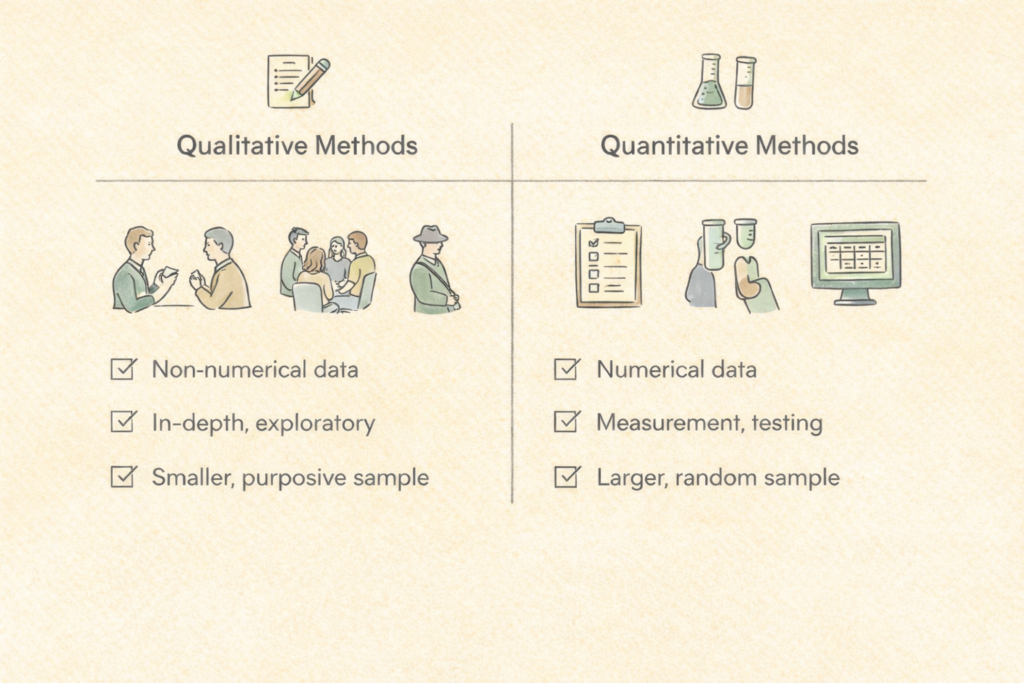
Figure 1: Key Differences Between Qualitative and Quantitative Research Methods
This discussion builds on earlier explanations of research methods and research design, which clarify how methodological choices are situated within the overall structure of a research study. It is also related to the distinction between research methodology and research strategy, which addresses the philosophical assumptions underlying these choices.
Leave a Reply to Mixed Methods Research: Concept, Rationale, and Application Cancel reply